

Tango Fashion & History
The tango originated in the late 19th century in the working-class neighborhoods of Buenos Aires, blending African, European, and Latin American influences into a passionate and dramatic dance form.
01
The High heel
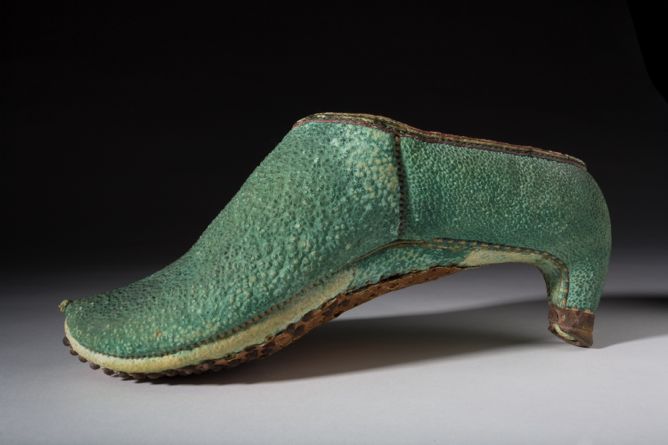
The high heel was not originally created as a fashion item, but as practical military footwear. Persian cavalry in the wore heeled shoes to help secure their feet in stirrups while riding and shooting from horseback. The heel provided better stability and control.
This practical design later attracted attention in Europe. As trade and diplomatic contact increased, European aristocrats began adopting the style.
02
The compadrito
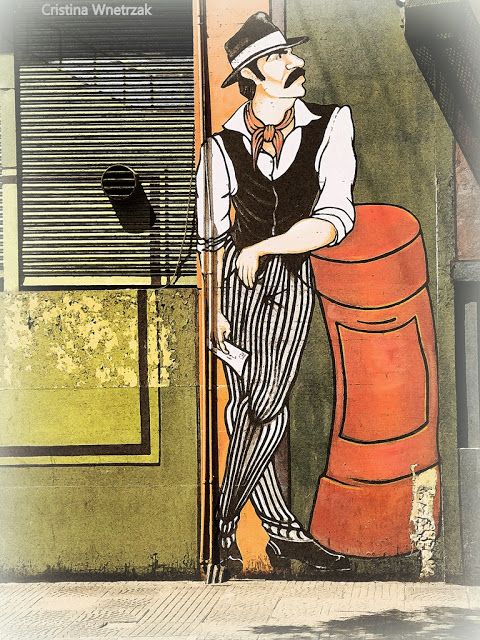
The compadre or compadrito—terms that are often used interchangeably—is a central figure in many early tango lyrics and stories. He appears as a proud and complex character, shaped by the heritage of his father, the gaucho. From him, he inherits the knife, a strong sense of honor, and a code of respect—though he does not always live up to it.
The compadrito is often portrayed as a neighborhood tough, sometimes a rogue, yet not entirely a villain. He may defend the weak, stand up for his name, and protect his corner of the barrio. At the same time, he lives in moral gray areas, navigating the rough streets of working-class districts in Buenos Aires.
Appearance mattered deeply to him. The compadrito took pride in his clothing, especially his shoes, which were often inspired by French fashion. At the turn of the 20th century, Paris was considered the center of culture and style, and its influence reached across the Atlantic. Dressing well was not just vanity—it was a statement of status, identity, and ambition.
03
Tips for leaders
You can dance tango in almost any pair of shoes, but two details can make a shoe much more suitable for the dance.
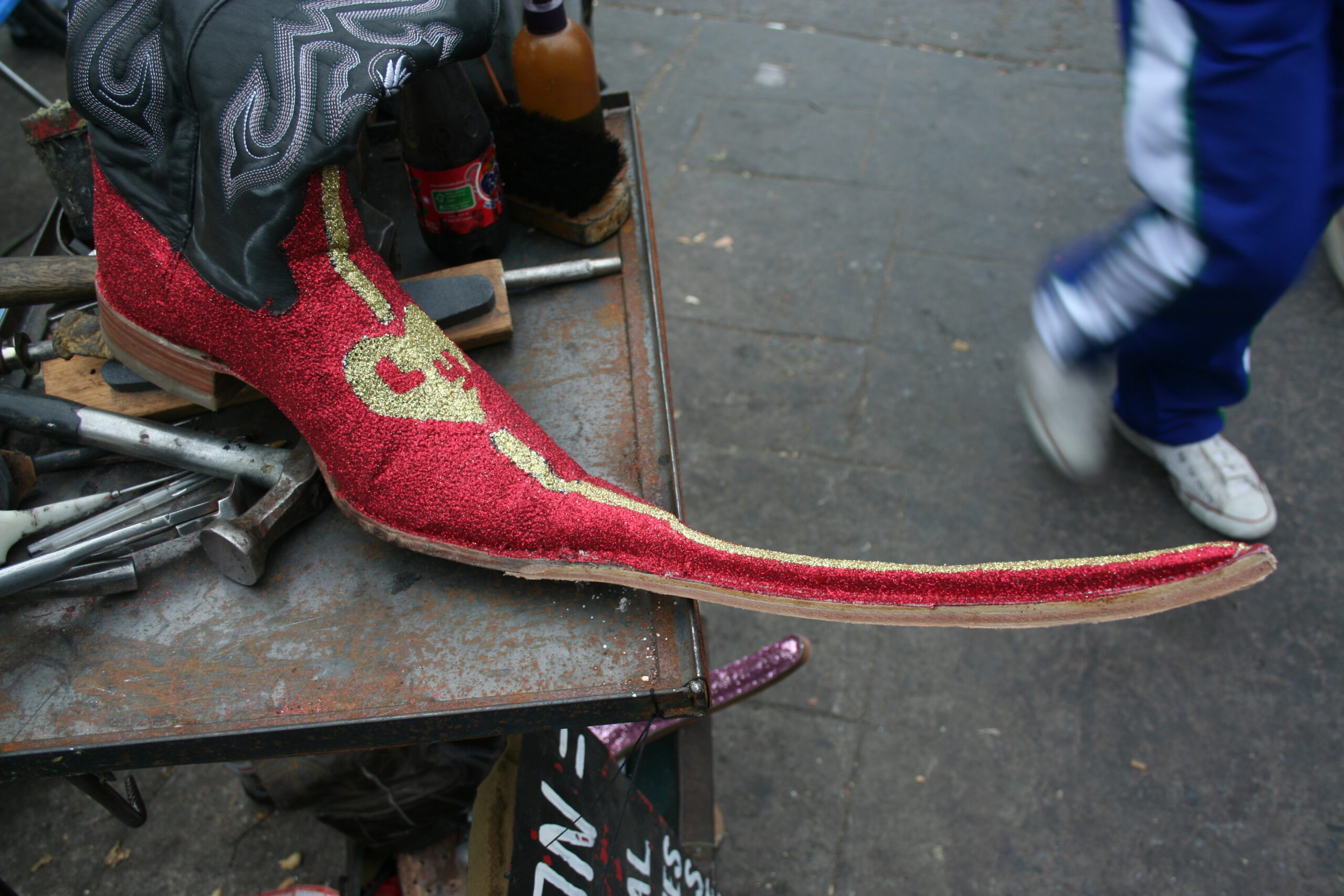
First, the length of the toe box is important. The front of the shoe should end right at your toes and not extend beyond them even by a few centimeters. Shoes that are too long increase the risk of stepping on your partner’s feet, especially in close embrace.
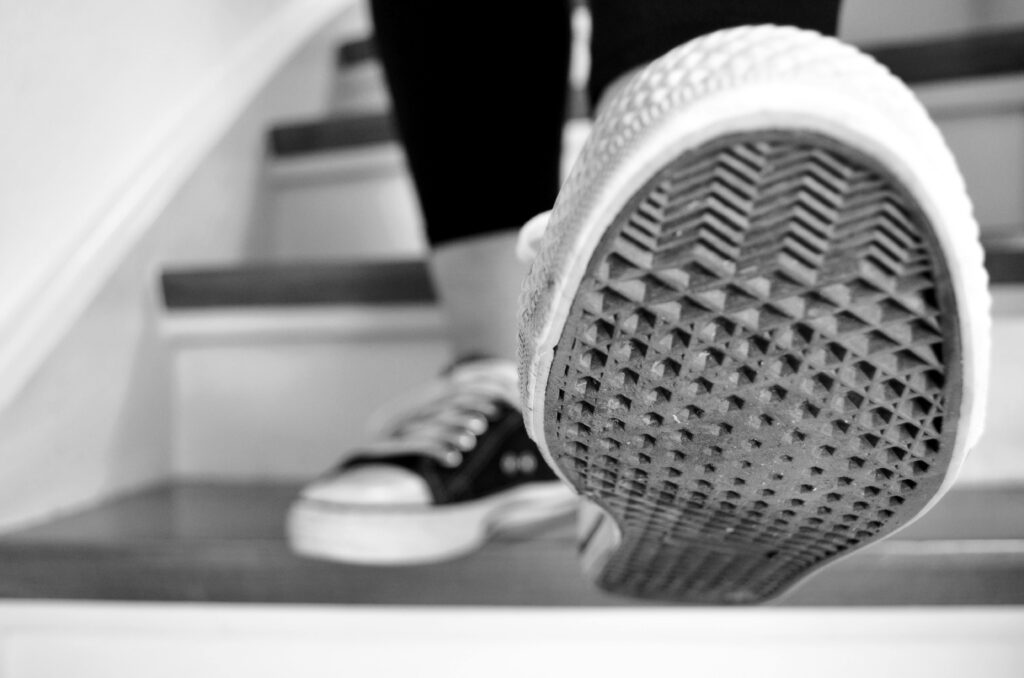
Second, the sole should not have too much grip. Pivoting is an essential part of Argentine tango, and movements like turns and ochos require smooth rotation. Shoes with heavy rubber soles can block that movement and put extra pressure on the knees. A leather sole, or a smooth sole with light grip, works much better.
Good tango shoes can be an investment. New pairs often cost around 160 euros or more. However, there are many second-hand options available in dance communities and online marketplaces, where you can find quality shoes at a lower price.
04
Tips for followers
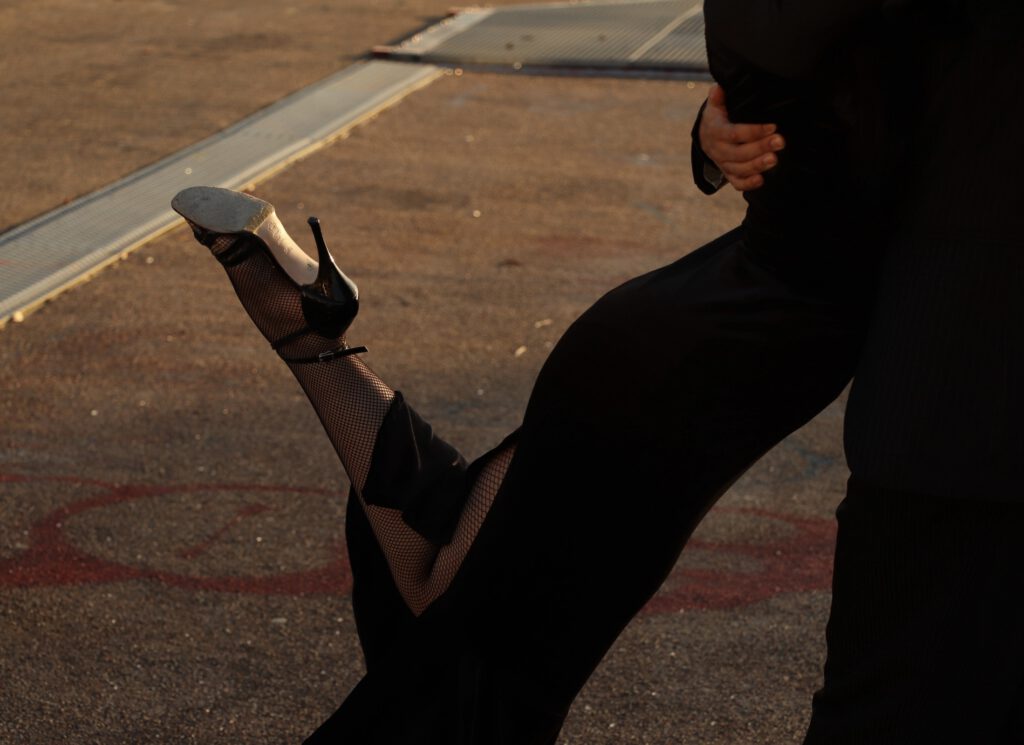
For followers, choosing the right tango shoe is very important. It is not recommended to simply buy regular pumps and assume they will work for dancing. Tango shoes are designed differently to give more support, balance, and flexibility.
It’s usally better to go to a specialized shop and try the shoes on. There are many different models, heel shapes, and heel heights. What feels stable and comfortable for one person may not work for another. Trying them in person helps you find the right fit for your foot and your level.
If your health does not allow you to wear high heels, that is completely fine. There are alternative dance shoes with lower heels or even flat options that still work well for tango. Your comfort and safety always come first.
Also, keep in mind that dancing in high heels takes time to learn. Your balance, posture, and technique need to adjust gradually. With patience and practice, it becomes more natural—and Lucía can guide you step by step through that process.
Credits:
High Heeled Shoes Were Originally Created For Men | Teen Vogue
EDITORIAL: “ATRAPADOS POR LA IMAGEN”: Compadrito de Barracas….
