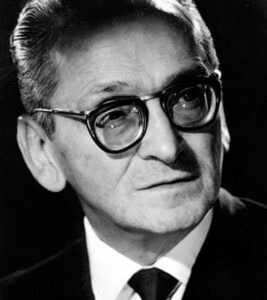
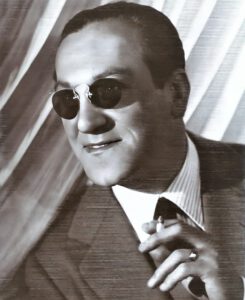
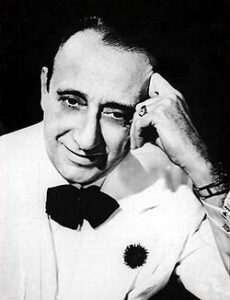
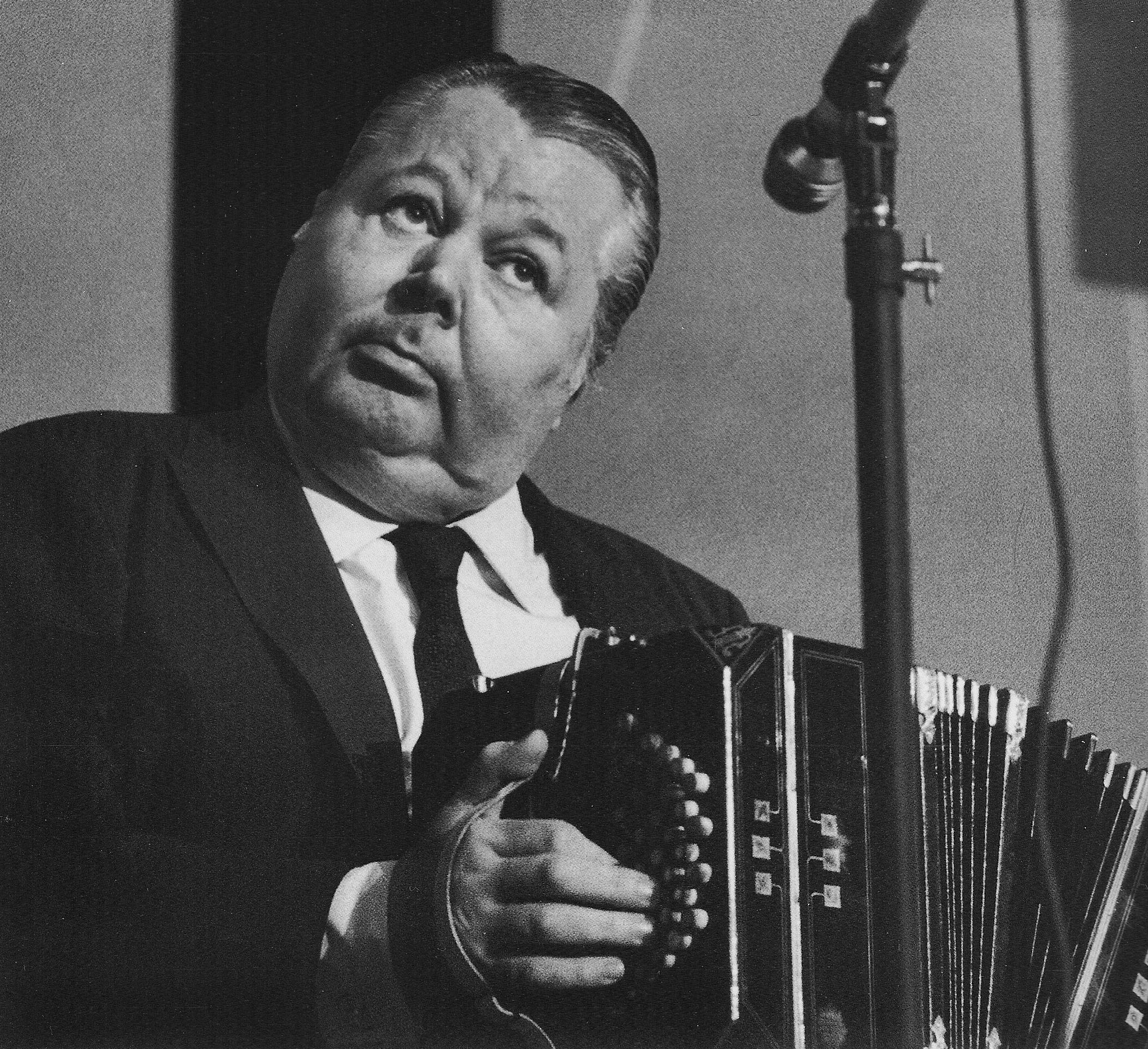
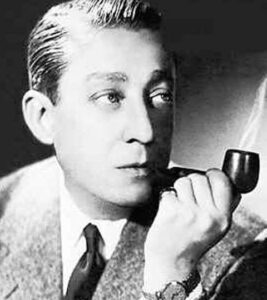
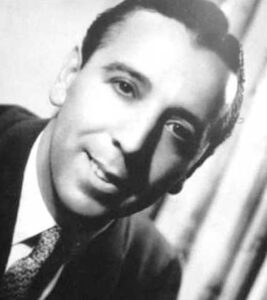
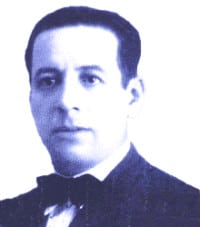
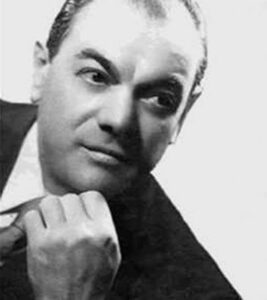
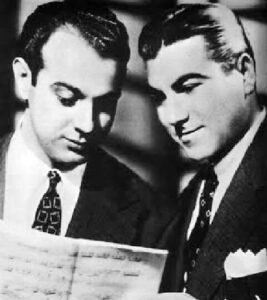
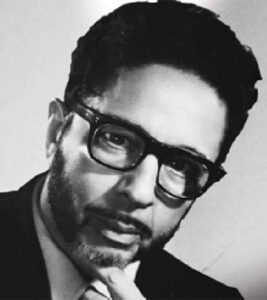
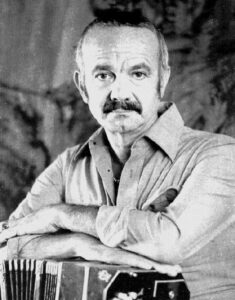
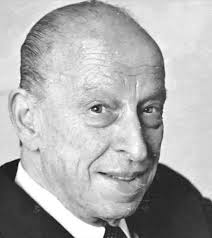
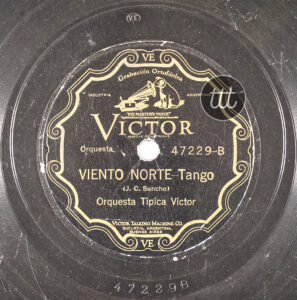
The generation that followed the Big Four struggled to achieve the same level of popularity, as tango had already begun to decline in the 1950s. Despite this downturn, they continued creating music, shifting their focus from dance halls to concert performances. As tango dancing decreased in prominence, the music grew more complex. This evolution gave rise to a new sound—one that redefined tango for a changing audience – Among the most notable figures of this generation were Francini-Pontier, Horacio Salgán, Astor Piazzolla, and Héctor Varela.