Instruments of the Tango

Instruments

The tango originated in the late 19th century in the working-class neighborhoods of Buenos Aires, blending African, European, and Latin American influences into a passionate and dramatic dance form.

01

The main instruments

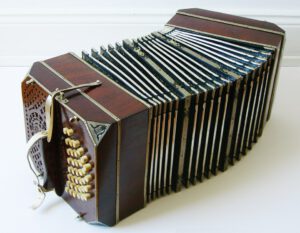
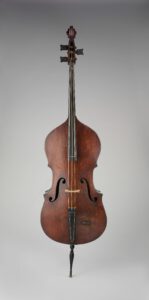
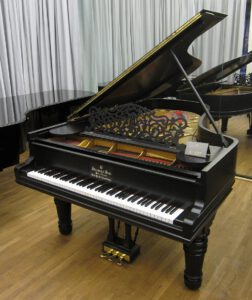
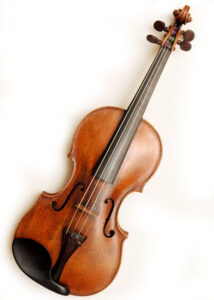
During the Golden Age of Tango, orchestras were mainly built around four instruments: bandoneón, violin, piano, and double bass. They were used in different numbers to create a fuller and stronger sound. Several bandoneones would play together to deepen the melody, while multiple violins added rich layers on top. The piano supported the harmony and rhythm, and the double bass gave the music a steady foundation.
Together, these instruments created the classic tango sound—clear, emotional, and powerful.
Today, many orchestras try to recreate the style of those earlier groups. They perform traditional tangos and also write new music inspired by the old orchestras, keeping the sound and spirit of tango alive.


02

Special exceptions

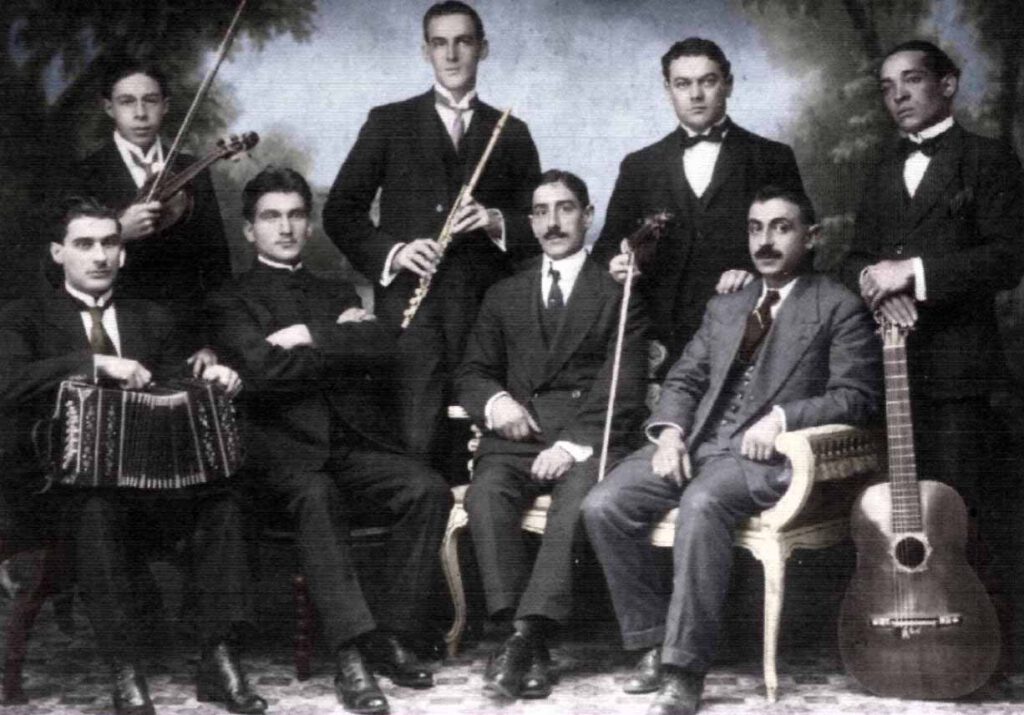
In this image you can see that the guitar and flute were staples of early tango, long before the Golden Age of 1935–1955 in Buenos Aires.
In the earliest ensembles, the flute carried the melody with a light, agile sound that gave the music speed and brightness. Over time, it gradually disappeared as the bandoneón took its place. Still, those old recordings remain, and when you listen to them today, you can hear that quick, airy quality that once shaped the dance.
The guitar, however, reaches even further back. It was already influential in the 19th century, before tango fully took form. The instrument was central to the tradition of the payadores—wandering singer-poets who improvised verses on the spot. One of the most famous was Gabino Ezeiza. Their rhythms and storytelling helped shape the cultural identity of Argentina, laying important foundations for what would later become tango.


Credits:
Violin
Piano
Bandoneon

Scroll naar boven